Autism spectrum disorder (ASD) varies in its impact on communication, behavior, and social interaction, requiring tailored support levels. Our clinic offers innovative immunotherapy using GcMAF product, developed in collaboration with Japanese research institutions, to safely enhance ASD symptom management at the cellular level with minimal effort required from patients.
The immune system and autism
Recently it is becoming clear that immune system dysfunction plays an important role in autism
Altered immunity in individuals with autism
Researchers have observed differences in the immune system of individuals with autism, including changes in things like cytokines, immunoglobulins, inflammation and how cells are activated. They have also noticed alterations in various immune cells, such as natural killer (NK) cells and macrophages, in people with autism. When these cells are stimulated, the ones from individuals with autism don’t always work as effectively in fighting off threats.
Macrophage migration inhibitory factor (MIF)
One cytokine associated with autism is called macrophage migration inhibitory factor (MIF). MIF is an immune regulator that promotes inflammation and is consistently present in brain tissues. It plays crucial roles in influencing both neural and endocrine systems. This cytokine is produced by tissues involved in both the nervous system and the immune system. Additionally, macrophage migration inhibitory factor acts as an antagonist to glucocorticoids in the immune system and plays a role in regulating various endocrine circuits.
People with autism show elevated levels of macrophage migration inhibitory factor (MIF) in their blood.
Those with autism who had the highest levels of MIF in their blood exhibited the most severe behavioral symptoms.
Macrophage migration inhibitory factor plays a crucial role in the body’s response to microbial infections and is involved in various autoimmune diseases.
The expression of macrophage migration inhibitory factor is typically constant at low levels.
Lower levels of total plasma immunoglobulin G (IgG) and immunoglobulin M (IgM) were noted in a significant number of individuals with autism.
The correlation with behavior revealed that those with the most severe behavioral symptoms in the autism group exhibited the lowest IgG and IgM levels.
Altered sensitivity to environmental toxicants—PBDEs, immunity and autism
A complex interplay between immunological and environmental factors may have a role in autism. Polybrominated diphenyl ethers (PBDEs) are a class of organobromine compounds that are used as flame retardants and which impact neurodevelopment and immunity. Individuals with ASD have different immune sensitivity to this environmental toxicant.
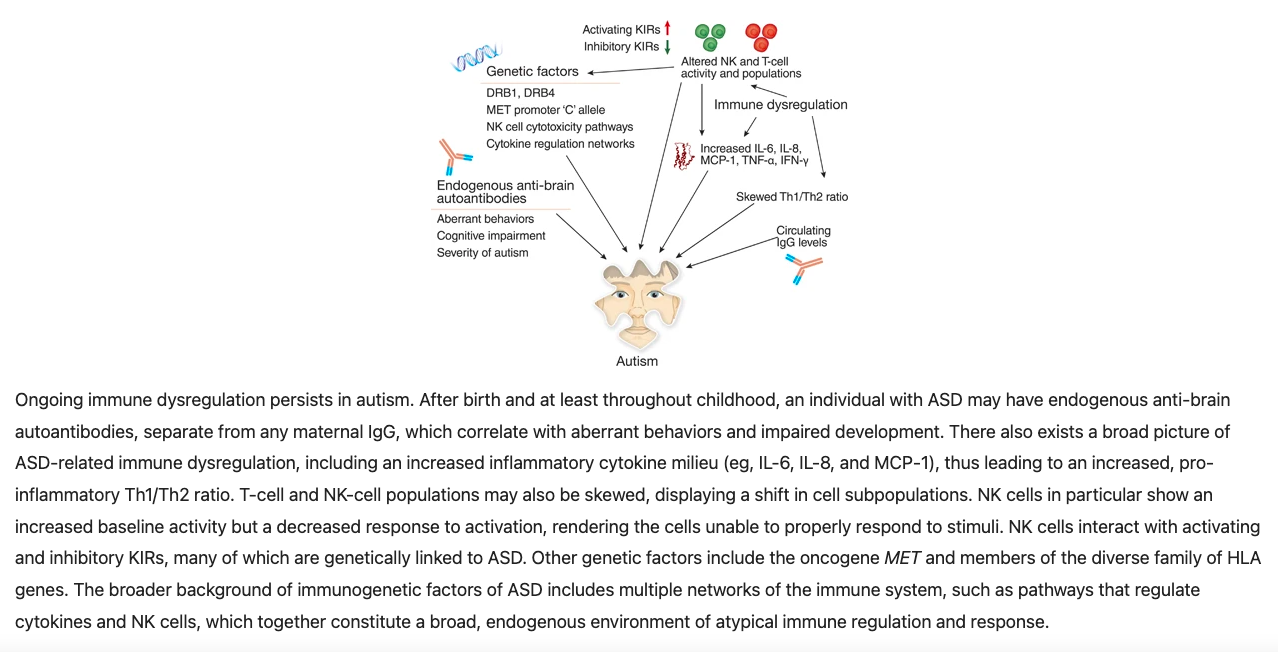
Figure of the role of the immune system in autism spectrum disorder (ASD)
Source: The Role of the Immune System in Autism Spectrum Disorder. Neuropsychopharmacology 42, 284–298 (2017). https://doi.org/10.1038/npp.2016.158
Saisei GcMAF therapy for autism improvement
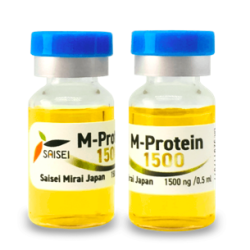
GcMAF treatment is a highly effective macrophage activating therapy, used to stimulate the immune system and activate macrophages, which are present in all tissues of our body. (Patented by Saisei Mirai)
2nd Generation GcMAF
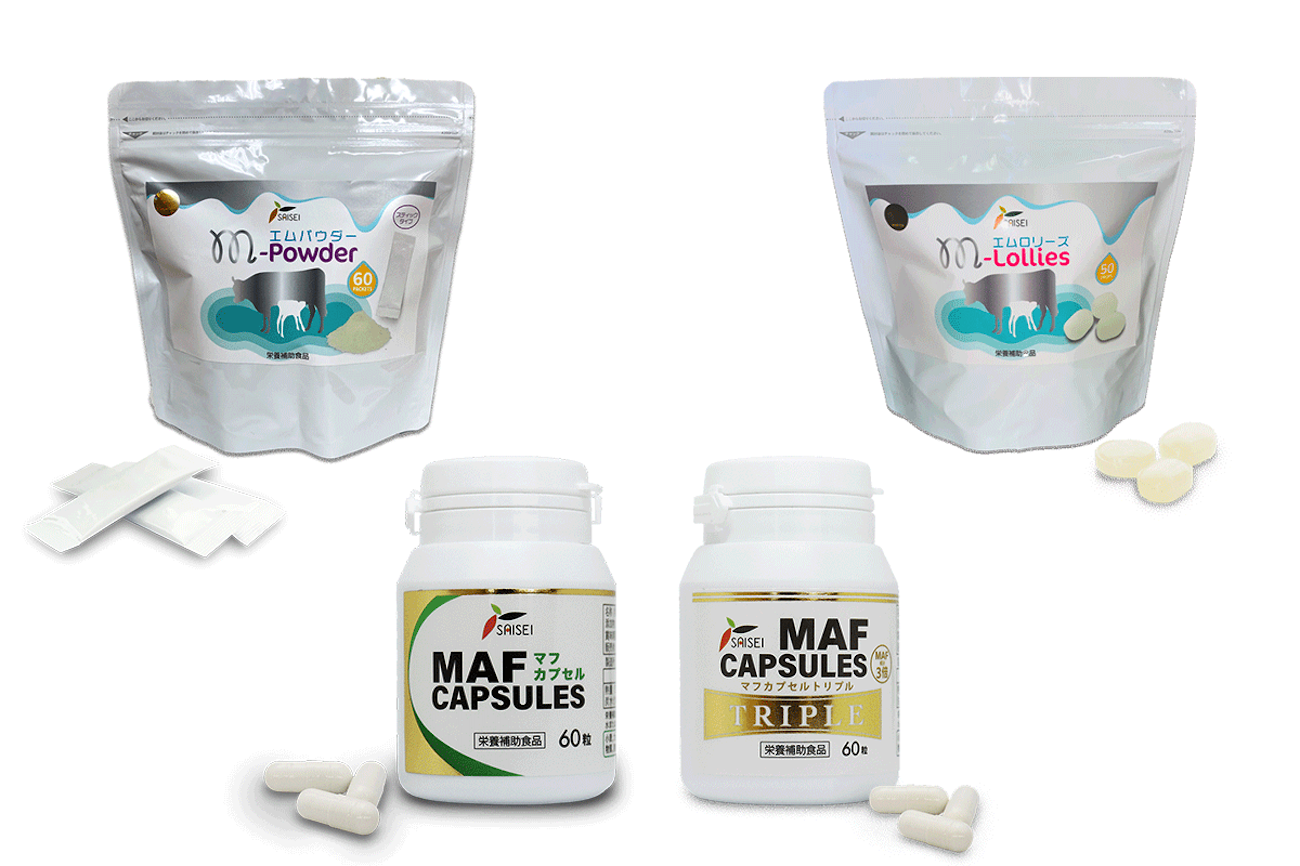
3rd Generation GcMAF
(dietary supplement)
GcMAF therapy for the treatment of autism
Second Generation high dose GcMAF immunotherapy is administered to overcome the problem of immune system disfunction, including that of normalization of microglia functioning and macrophage migration inhibitory factor (MIF), which plays an integral role in autism and leads to the commonly observed symptoms.
How to use GcMAF
Recommended dose for ASD: 0.25ml Second Generation high-dose GcMAF, twice weekly by intramuscular or subcutaneous injection
> Some improvements in symptoms should be observed within 2 months.
> Minimum treatment course of 6 months should be expected, but each individual patient is different and additional courses may be required based on positive progress.
> Patients may need longer term maintenance doses of GcMAF therapy to stay well and symptom free until their immune system is fully developed enough to cope with challenges.
CAUTION! These dosage recommendations apply only to Saisei Second Generation GcMAF. The dosage may vary for each case. GcMAF is a unique treatment patented in Japan. Be cautious about counterfeit products.
Need more information or require a consultation?
If you have any questions or consideration contact us right away!
Watch our presentation to learn more about Saisei methods of ASD improvement
If you’re interested in purchasing any of our products, make an inquiry, or scheduling a consultation at our clinic, please reach out to us. Kindly provide details about your medical condition, current treatment, and specify the quantity of the product you require. We are here to assist you and address any questions or concerns you may have.
Goines P, Van de Water J. The immune system’s role in the biology of autism. Current Opinion in Neurology (2010) 23(2):111-7.
Fingerle-Rowson GR, Bucala R. Neuroendocrine properties of macrophage migration inhibitory factor (MIF). Immunology and Cell Biology (2001) 79:368–375