
Dementia, Kidney Health
& Biomarker Research
Premium, science-led overview of immune mechanisms and dietary MAF research.
This page summarizes dementia background, a possible immune-supportive role of MAF capsules in brain function, chronic kidney disease basics, and an early mouse biomarker study measuring α-Klotho.

Understanding dementia as a syndrome
Dementia is a syndrome in which there is a decline in memory, thinking, behavior and the ability to carry out everyday activities. It is not a normal part of ageing, although it becomes more common as people get older. Worldwide, over 55 million people are living with dementia, and this number is expected to rise sharply in the coming decades.
Dementia is a general term for these problems. Alzheimer’s disease is the most common cause of dementia, but there are other types such as vascular dementia, Lewy body dementia and frontotemporal dementia.
Premium note: dementia describes functional decline; causes may differ, but inflammation and waste-protein handling are recurring themes in research.

How might MAF capsules support brain function?
MAF stands for Macrophage-Normalizing Factor. Macrophages are immune cells that act as the body’s “clean-up team”, removing waste products, damaged cells, and abnormal proteins. In the brain, related cells called microglia play a similar role.
Research suggests that, as we age, these immune cells may become less effective. This can contribute to a build-up of waste proteins (such as amyloid-β), increased inflammation, and gradual decline in memory and thinking.
Laboratory and animal studies indicate that MAF can activate macrophages and may help regulate inflammation. In a small clinical study in elderly people attending a day-care rehabilitation facility, daily MAF capsules, together with simple dietary advice to reduce “AGEs” (advanced glycation end products), were associated with improved cognitive test scores over 6–12 months, compared with rehabilitation alone.
Chronic Kidney Disease
Chronic kidney disease (CKD) is a long-term (chronic) condition where the kidneys are damaged or not working as well as they should for at least 3 months. When kidneys don’t filter blood properly, waste and extra fluid can build up in the body and lead to other health problems over time.
The two most common causes in adults are:
- Diabetes
- High blood pressure
Other things can also contribute (kidney inflammation, inherited conditions, certain medicines, etc.), but diabetes and high blood pressure are the big ones.
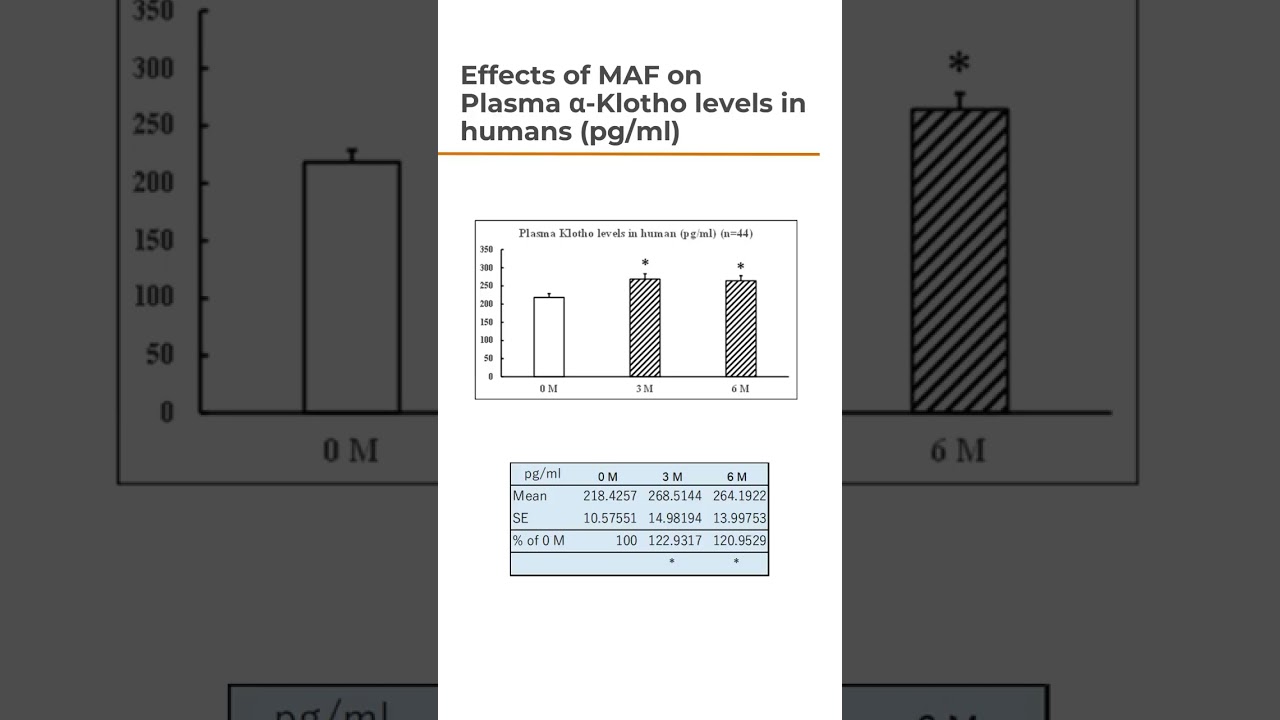
Mouse Biomarker Study: Dietary MAF & α-Klotho
Early research in mice measuring the biomarker α-Klotho in blood, brain regions, and kidney tissue.
Study at a glance
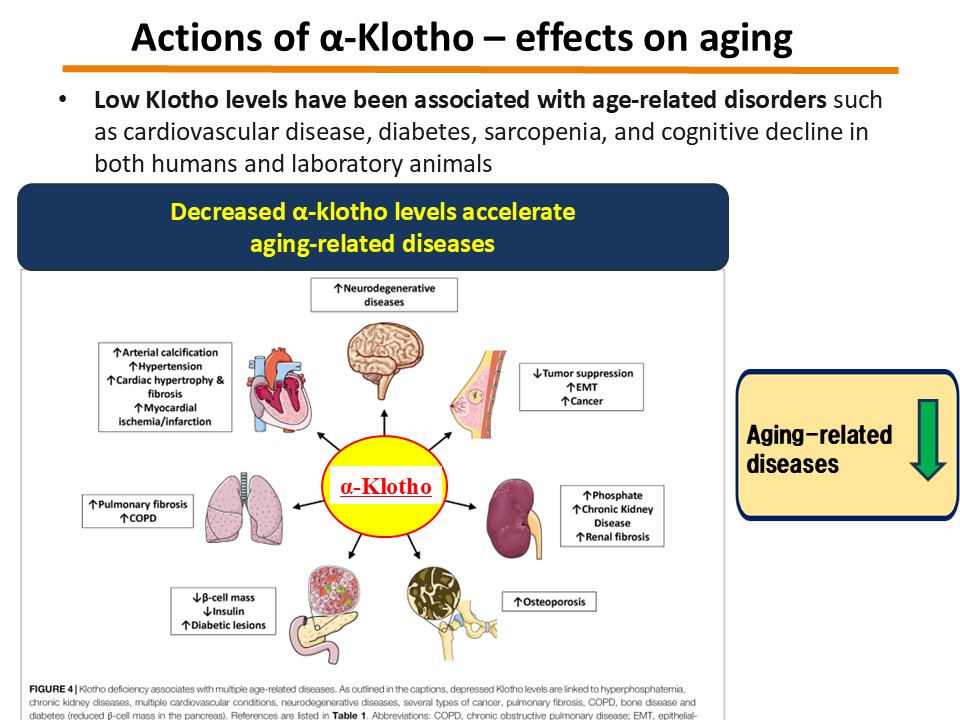
α-Klotho and Longevity
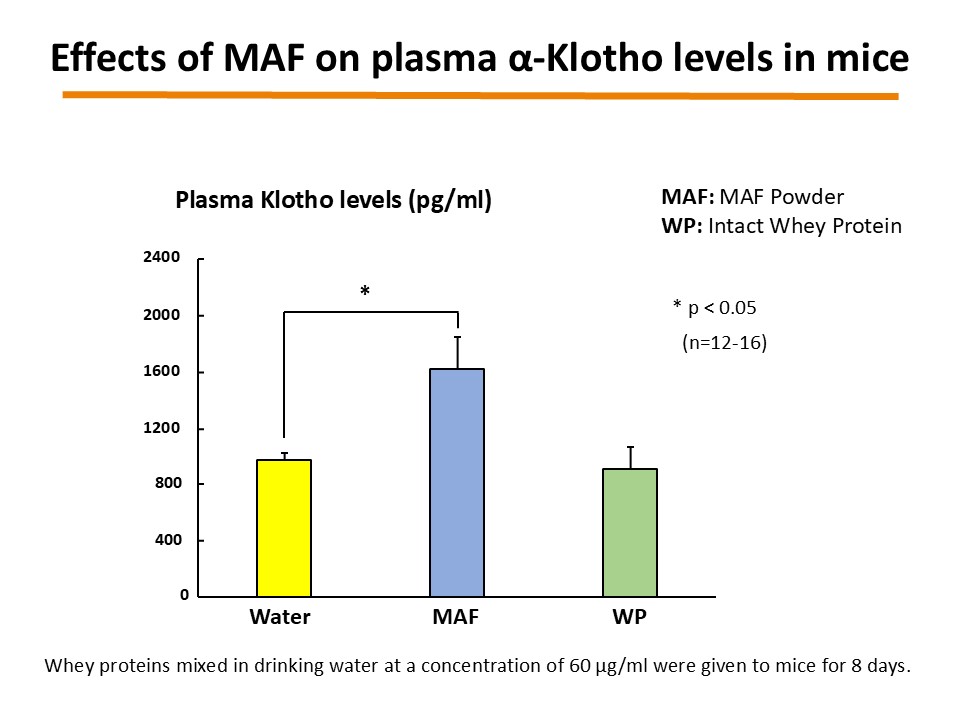 Compared with the Water and Whey protein group, the MAF group showed an amazing increase in plasma α-Klotho levels in mice.
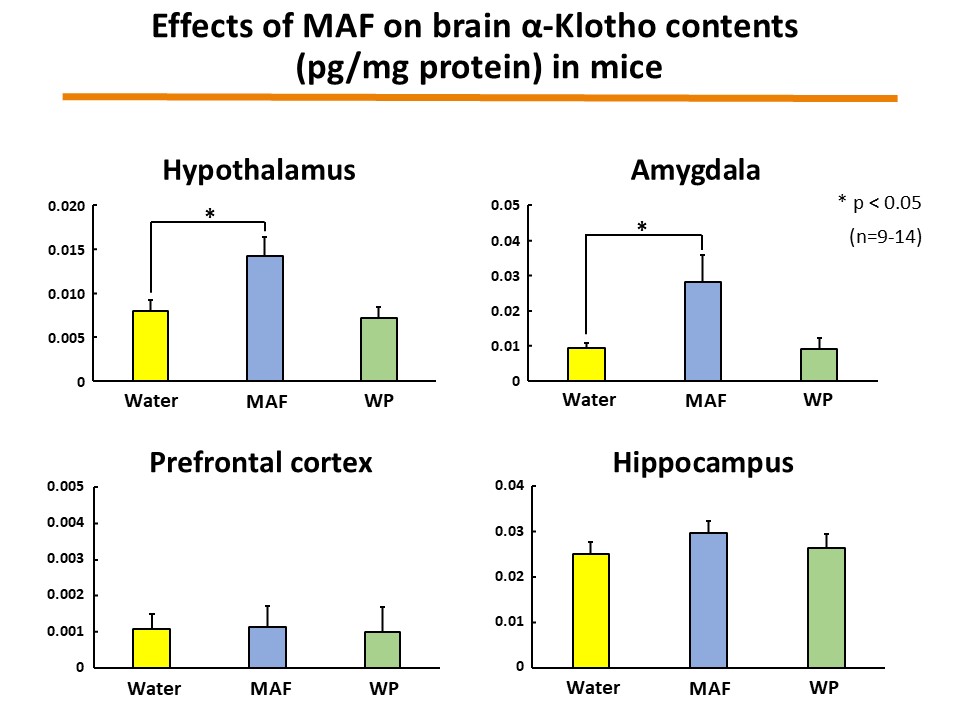 Effects of MAF on brain α-Klotho contents (pg/mg protein) in mice
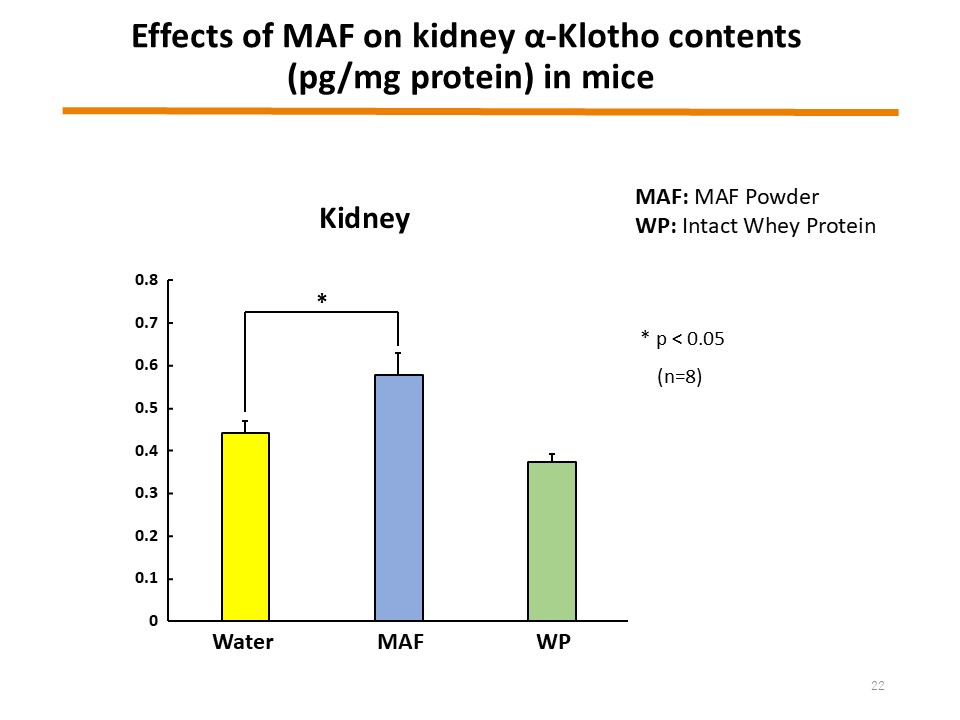 The kidneys have the highest α-Klotho contents in mice and around 80% of α-Klotho in the blood is derived from the kidneys.
α-Klotho and Longevity: Scientific Overview
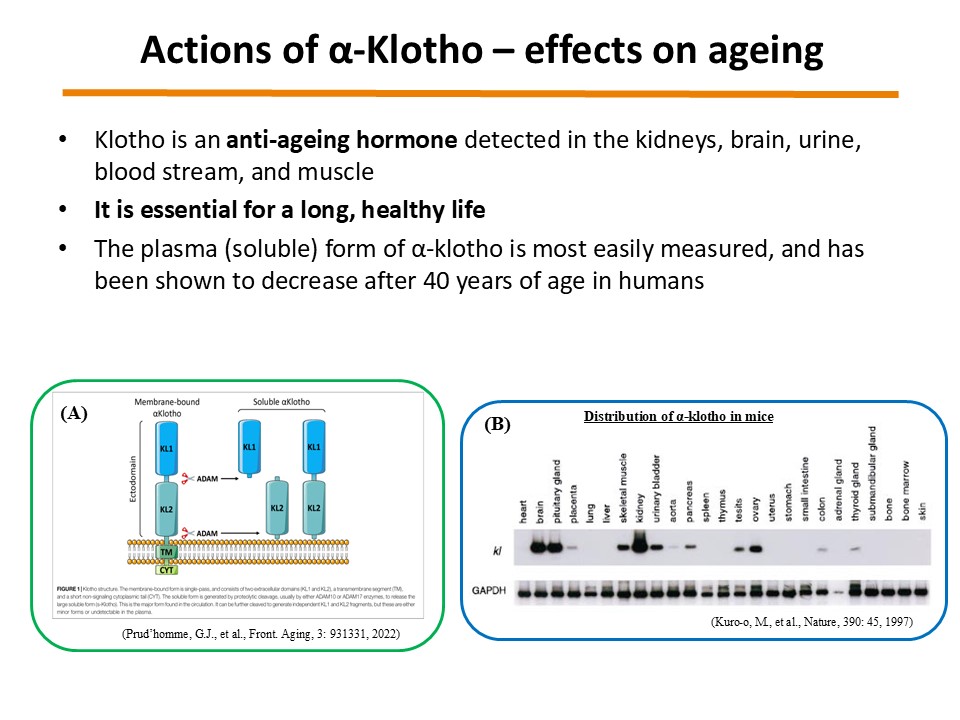
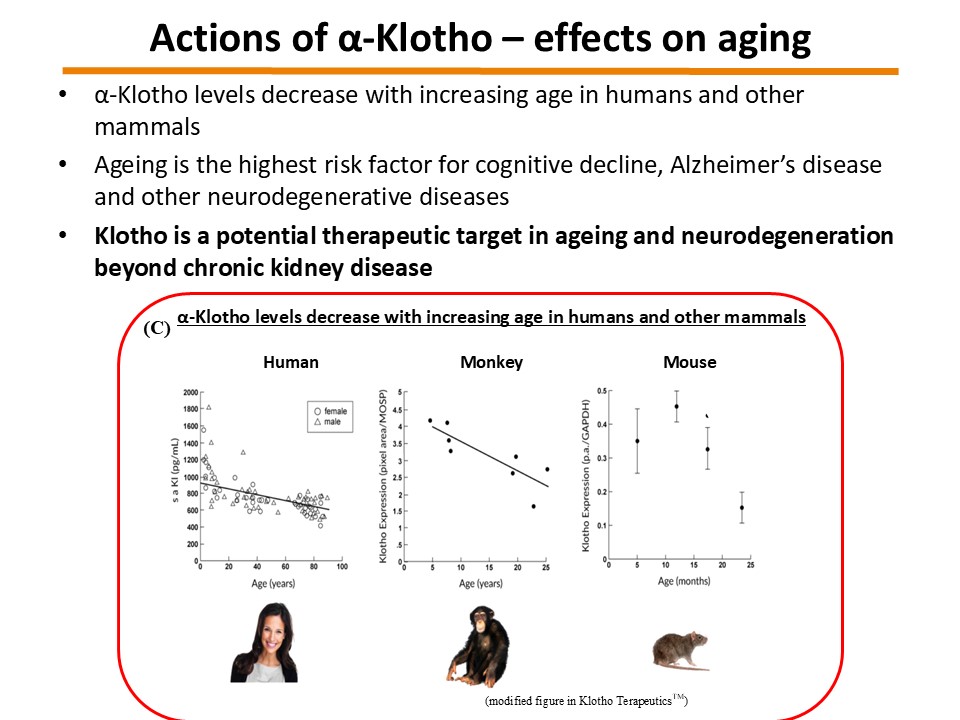
α-Klotho is a key longevity-associated protein involved in the regulation of aging, cognitive function, and systemic metabolic balance. Experimental and clinical studies consistently demonstrate a decline in α-Klotho levels with increasing age in humans and other mammals.
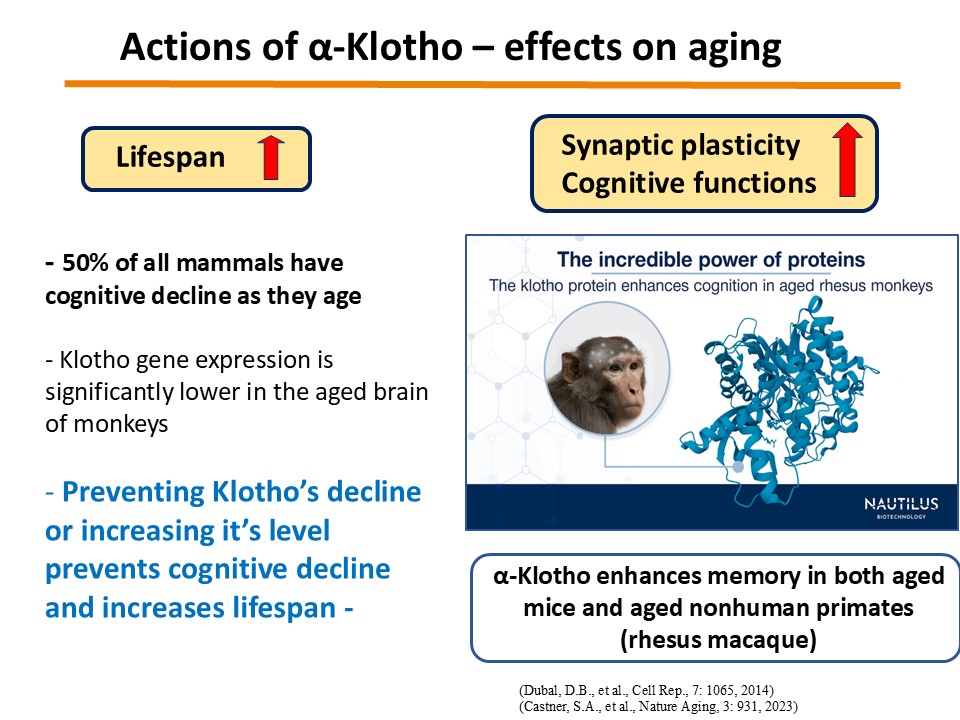
Reduced α-Klotho expression has been linked to accelerated biological aging, neurodegeneration, renal dysfunction, and increased susceptibility to age-related diseases. Conversely, preservation or enhancement of α-Klotho levels has been shown to support neuroprotection, renal health, and overall lifespan extension.
The following experimental and clinical figures illustrate the role of α-Klotho in aging regulation, lifespan, and organ-specific protective mechanisms.
Request an Appointment
Send a message and our team will get back to you.
Clinic
Saisei Mirai