
Anti-Aging, Rejuvenation
& Longevity
A Science-Driven Approach to Healthy Aging
At Saisei Mirai, anti-aging is approached as a medical and biological process, not a cosmetic concern.
Our programs focus on cellular aging, immune regulation, and tissue regeneration, aiming to improve health span, biological age, and long-term functional vitality.
Science-Based Longevity
Cellular aging, immune balance, and regenerative medicine
Therapies Available at Saisei Mirai
Immune & Longevity Therapies
- Dietary MAF (MAF Triple)
- GcMAF Immunotherapy
- Princess Clotho
- Naïve T Cell Therapy
- NK Cell Therapy
Regenerative & Cellular Therapies
- Autologous Skin Cell Injection
- Exosome Therapy
- Skin Cell Cryopreservation (Skin Bank)
Rejuvenation Treatments
- Anti-aging injections
- Hair rejuvenation therapy
- Photo Facial
- HIFU
Understanding Aging at the Cellular Level
Aging begins long before visible changes appear. It originates at the cellular and molecular level, affecting tissue regeneration, immune balance, and organ function.
One of the most important biological drivers of aging is telomere shortening, together with chronic inflammation, oxidative stress, and epigenetic alterations.
Our science-driven approach targets these mechanisms to support biological resilience and functional longevity.
Telomeres, Telomerase & Biological Age
Telomeres are protective caps at the ends of chromosomes that preserve genetic stability. With each cell division, telomeres gradually shorten. When they reach a critical length, cells lose their ability to regenerate and function properly.
Telomerase is an enzyme complex responsible for maintaining telomere length and supporting cellular longevity.
Scientific research has demonstrated that telomere shortening is closely linked to:
- Aging and reduced regenerative capacity
- Immune dysfunction
- Increased disease risk
- Reduced life expectancy
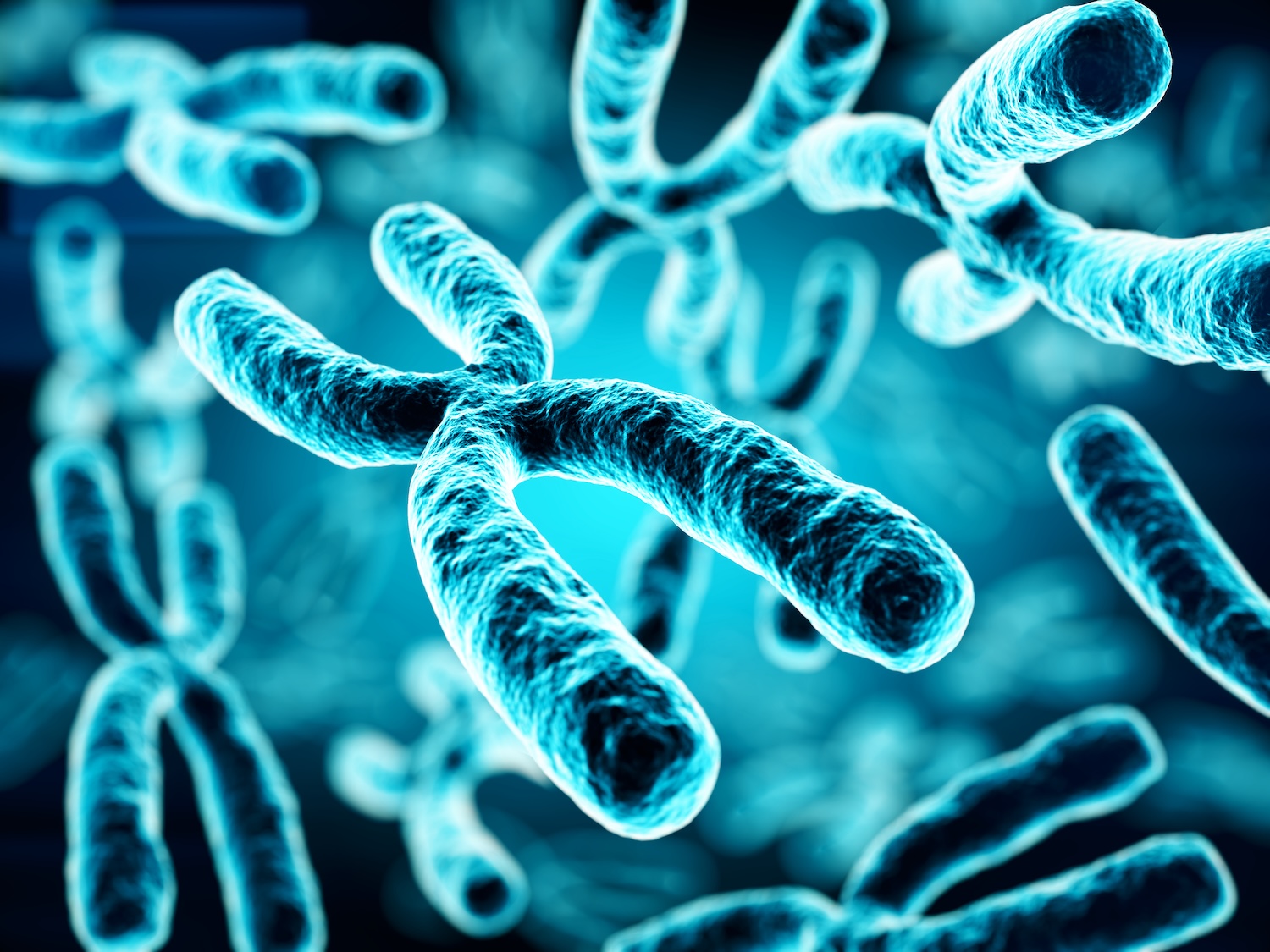
Telomere Shortening, Aging & Disease Risk
Shorter telomeres are associated with declining stem cell function, impaired organ maintenance, and higher mortality.
Research shows associations between shorter telomeres and:
- Increased cardiovascular risk
- Higher susceptibility to infectious diseases
- Overall increased mortality in older adults
Studies indicate that individuals aged 60 and older with shorter telomeres have significantly higher mortality risks compared with those maintaining longer telomere length.
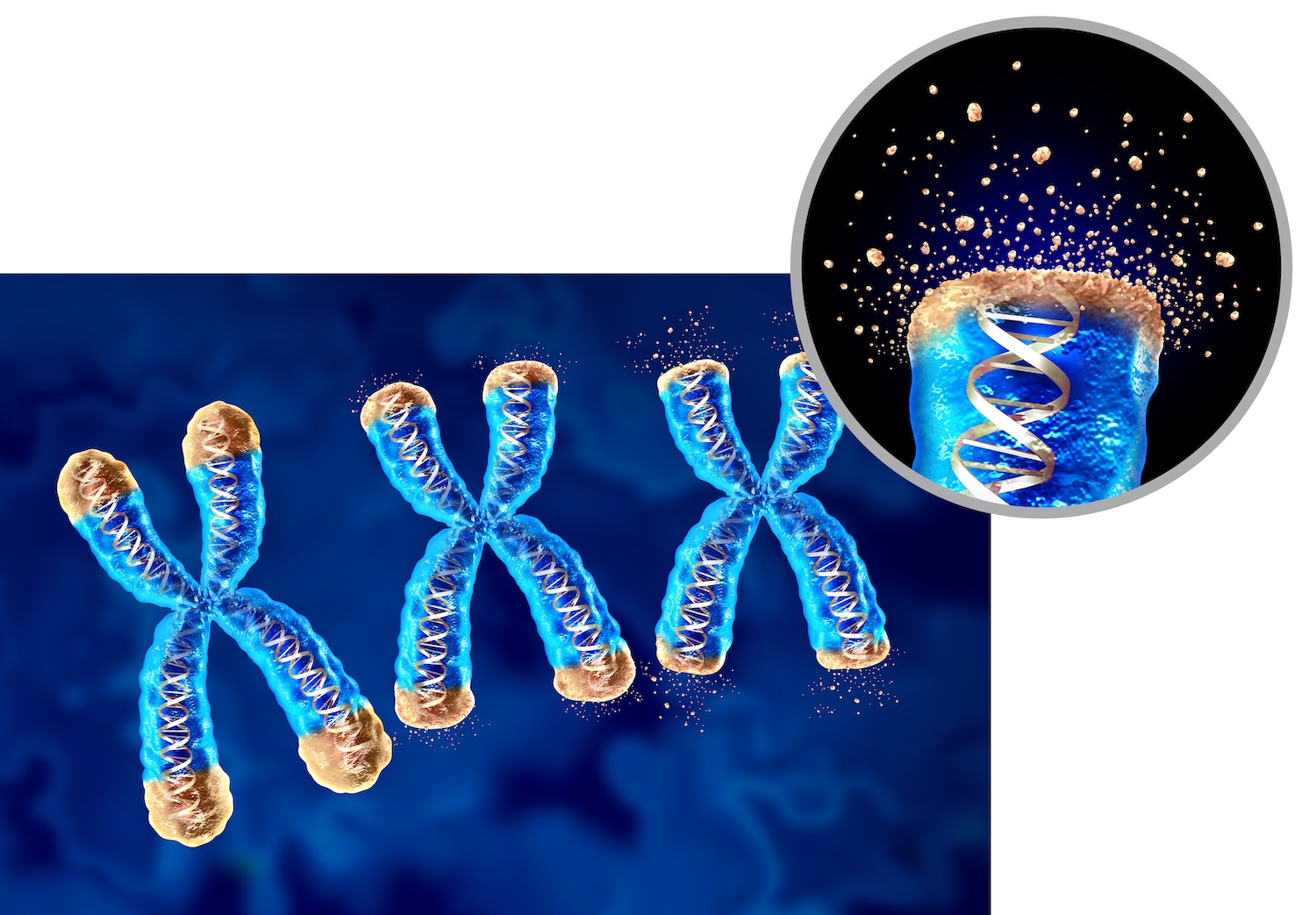
Factors Accelerating Telomere Shortening
The rate of telomere shortening varies between individuals. Contributing factors include:
- Oxidative stress
- Chronic inflammation
- Psychological stress
- Smoking
- Glycation
- Lifestyle habits
- Overweight and obesity
These factors may lead to accelerated biological aging.

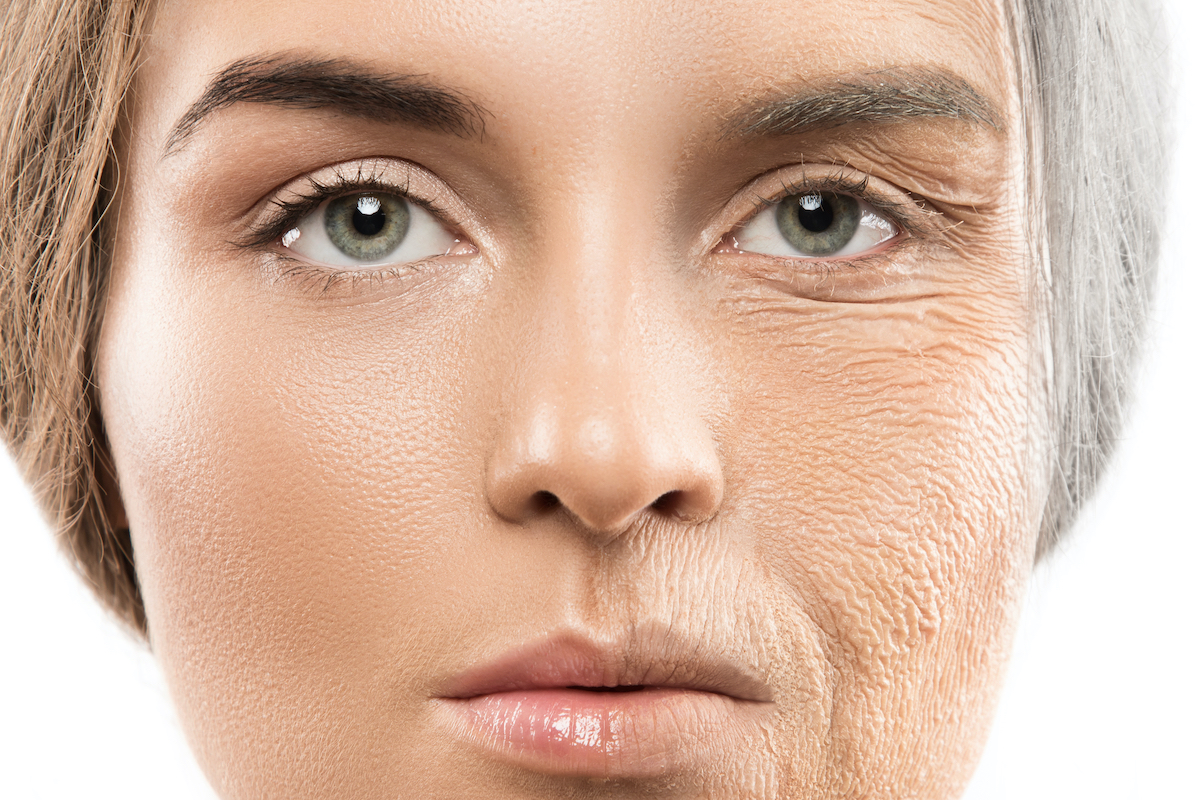
Chronological Age vs. Biological Age
Chronological age reflects years lived and cannot be changed. Biological age reflects the functional condition of cells and tissues — and can be modified.
Supporting biological age may contribute to:
- Slower visible aging
- Restoration of internal regenerative capacity
- Long-term improvements in vitality and health
Dietary MAF (Macrophage Activating Factor): Scientific Foundation
Saisei Mirai developed Dietary MAF, a macrophage-regulating factor designed to support immune balance and influence key aging-related pathways.
Mechanisms Observed in Preclinical Studies
- Upregulation of telomerase-related genes (TERT, TERC)
- Increased expression of α-Klotho, a longevity-associated protein
- Suppression of inflammatory signaling pathways (TLR4, MAPK)
- Reduction of inflammatory cytokines (TNF-α, IL-1β)
These mechanisms target biological processes involved in aging, inflammation, and regeneration.
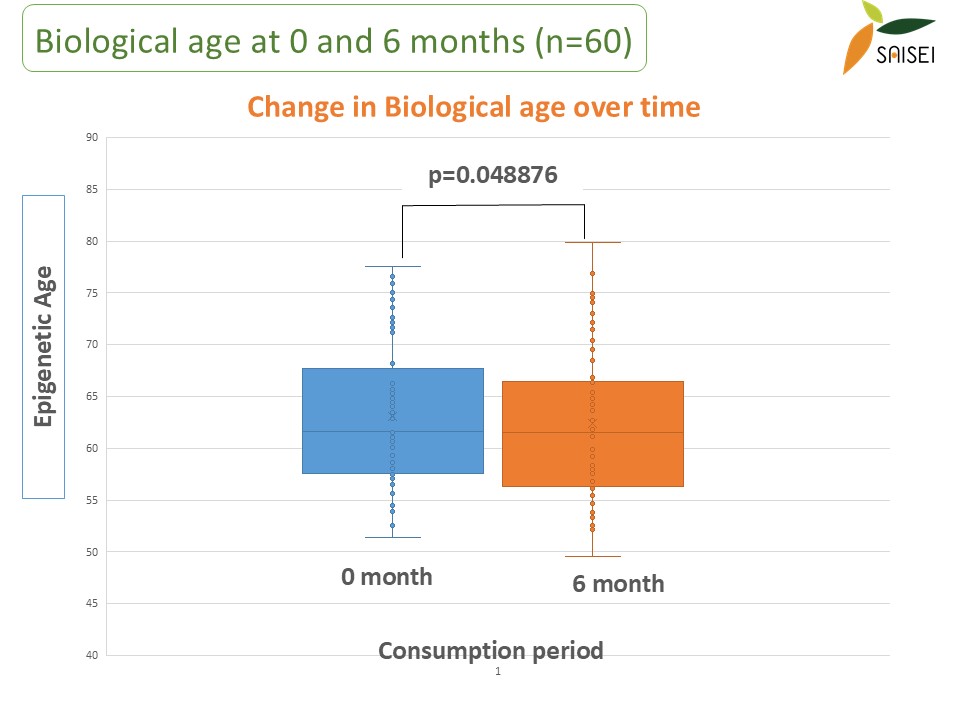
Human Clinical Evidence: Rejuvenation & Longevity
Phase 2 Clinical Trial (Japan)
Study Design
- Phase 2, interventional, multicenter, non-randomized trial
- Participants: adults aged ≥40 years
- Intake: 2 capsules of MAF Triple daily
- Evaluation at baseline, 3 months, and 6 months
Endpoints
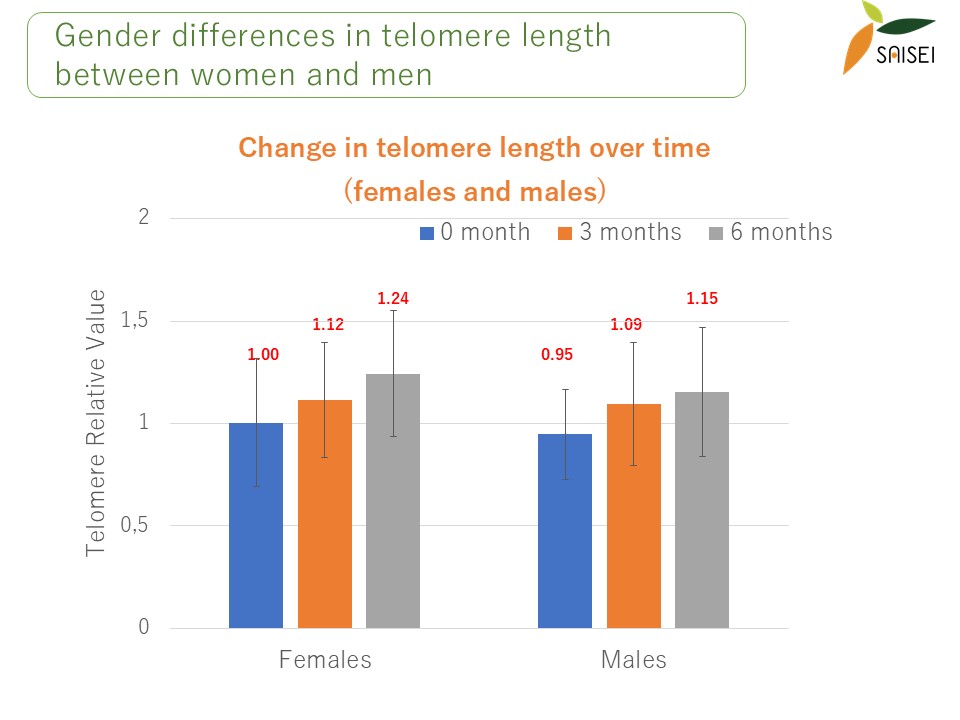
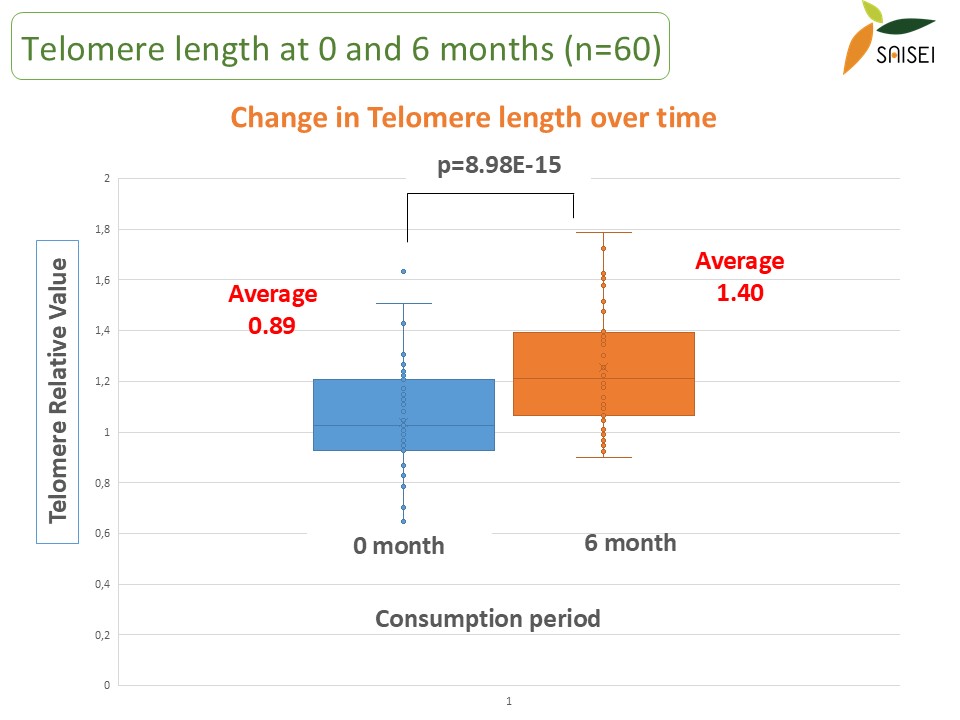
- Telomere length (PCR)
- DNA methylation and age-related gene expression
- Biological (epigenetic) age
Key Results
Telomere Length
Extended by up to 57% over 6 months
α-Klotho Expression
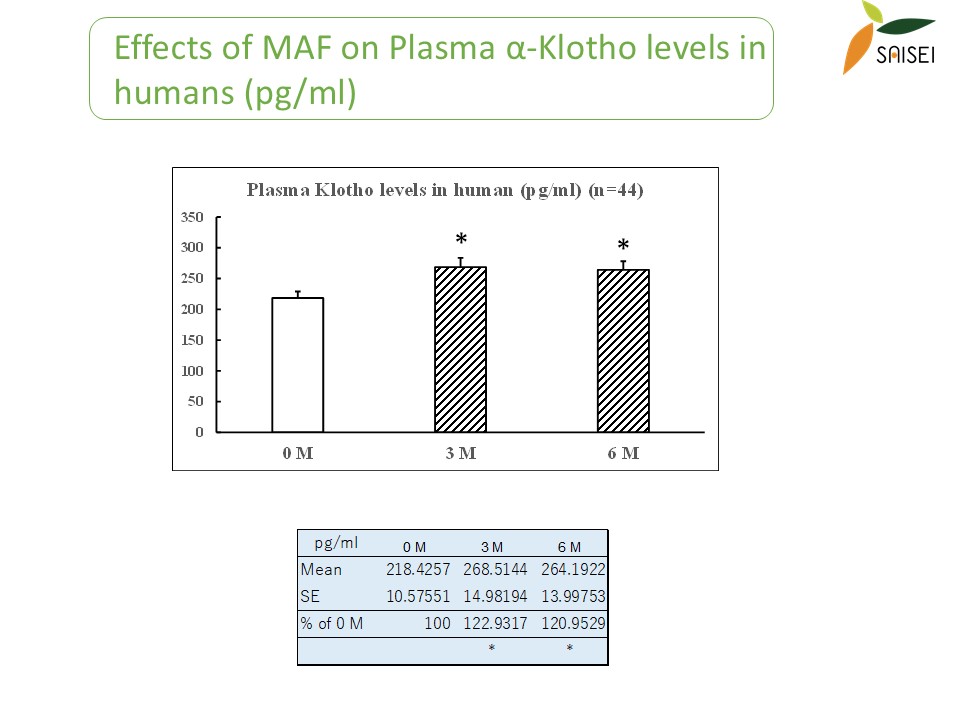
~20% increase in plasma α-Klotho levels at 3 and 6 months
α-Klotho supports neuroprotection, renal function, and systemic anti-aging regulation
α-Klotho and Longevity
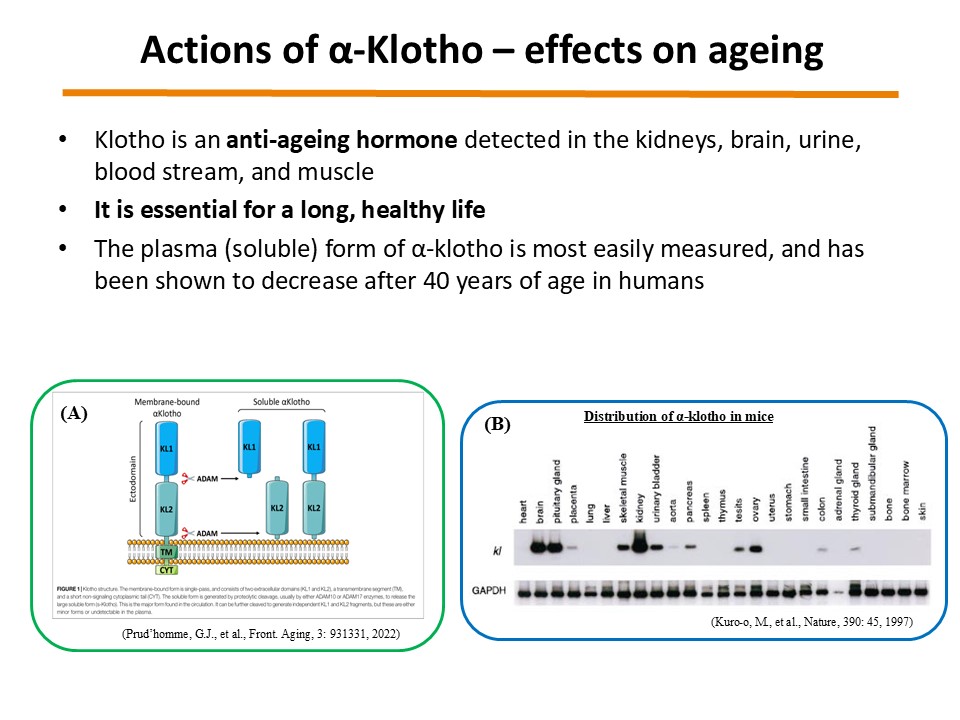
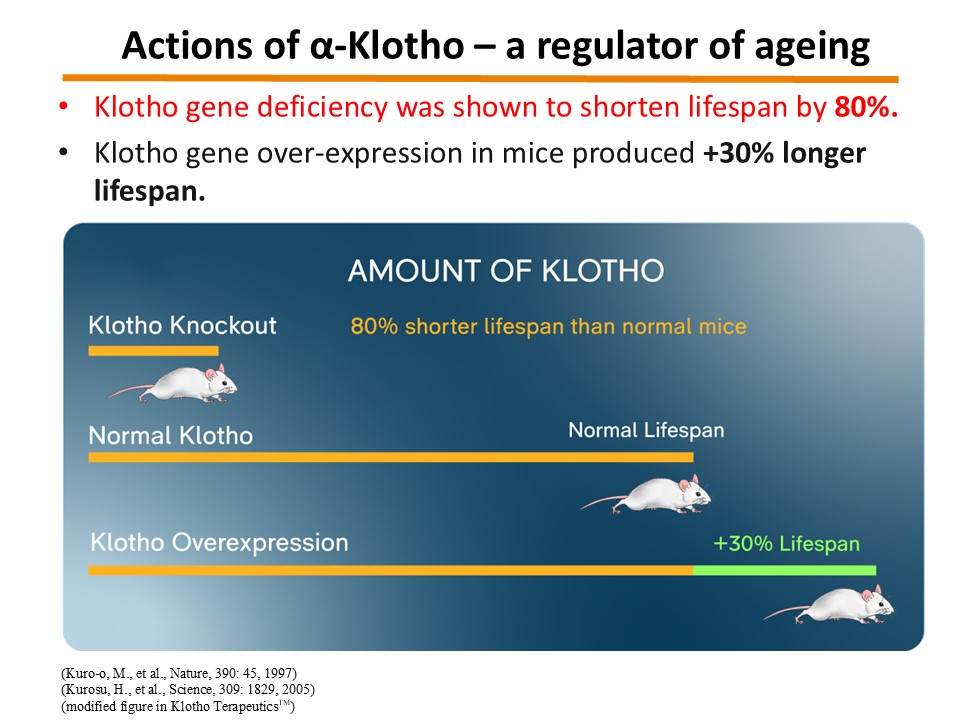 Klotho gene over-expression in mice produced+30% longer lifespan.
 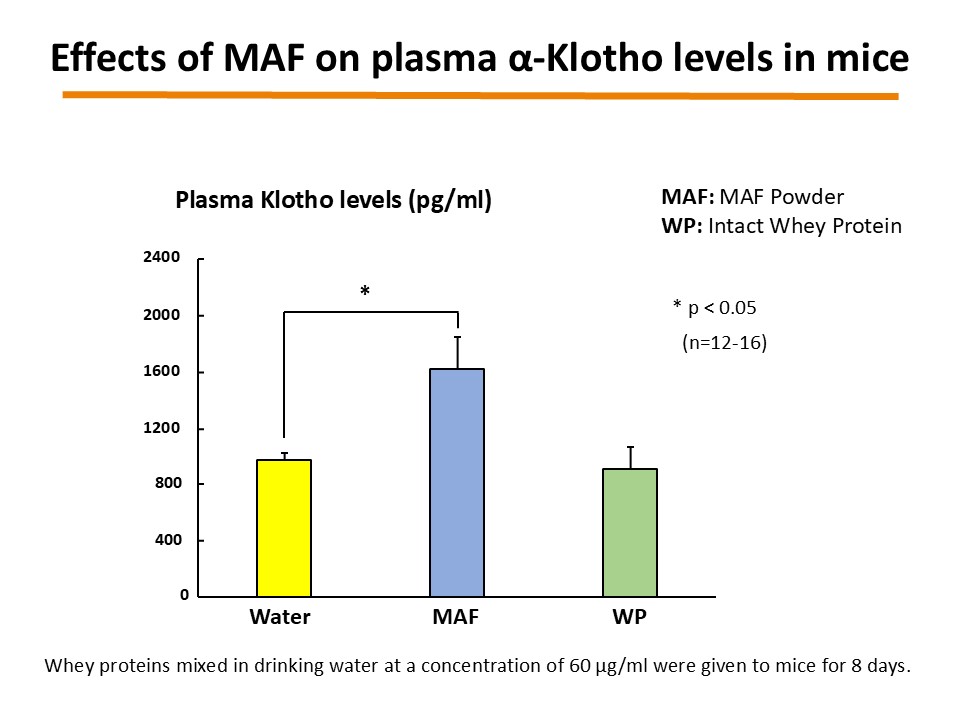 Compared with the Water and Whey protein group, the MAF group showed an amazing increase in plasma α-Klotho levels in mice.
 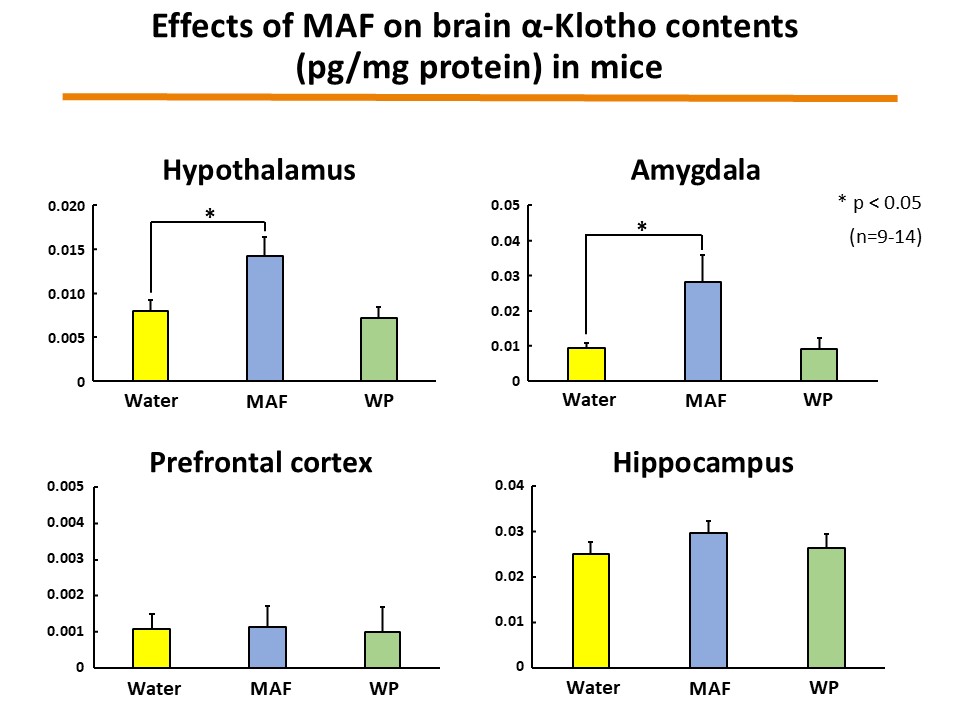 Effects of MAF on brain α-Klotho contents (pg/mg protein) in mice
 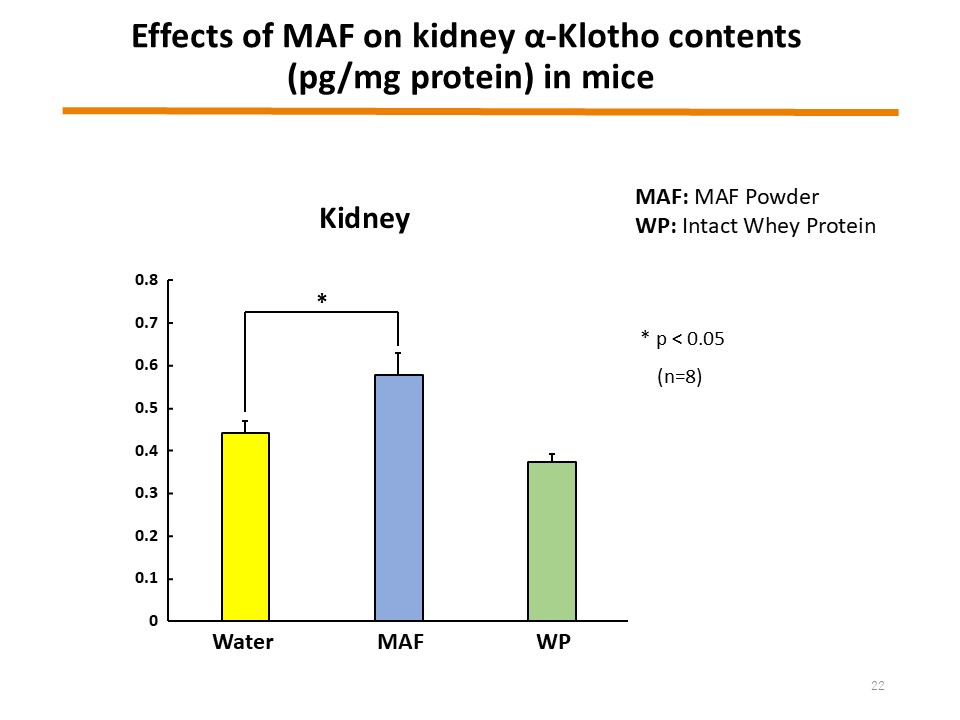 The kidneys have the highest α-Klotho contents in mice and around 80% of α-Klotho in the blood is derived from the kidneys.
 α-Klotho and Longevity: Scientific Overview
α-Klotho is a key longevity-associated protein involved in the regulation of aging, cognitive function, and systemic metabolic balance. Experimental and clinical studies consistently demonstrate a decline in α-Klotho levels with increasing age in humans and other mammals.
Reduced α-Klotho expression has been linked to accelerated biological aging, neurodegeneration, renal dysfunction, and increased susceptibility to age-related diseases. Conversely, preservation or enhancement of α-Klotho levels has been shown to support neuroprotection, renal health, and overall lifespan extension.
The following experimental and clinical figures illustrate the role of α-Klotho in aging regulation, lifespan, and organ-specific protective mechanisms.
Additional Clinical Figures

Regenerative Skin & Cellular Therapies
Autologous Skin Cell Injection (RACS)
A regenerative procedure using the patient’s own dermal fibroblasts to restore skin quality from within.
Procedure
- Small skin biopsy
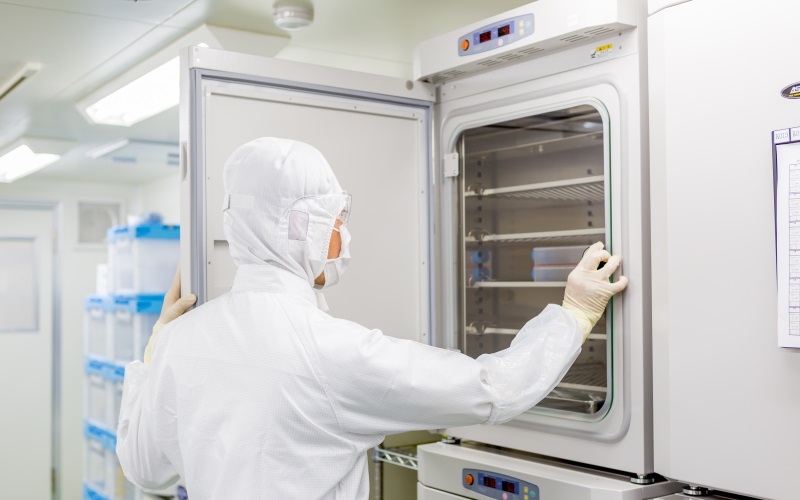
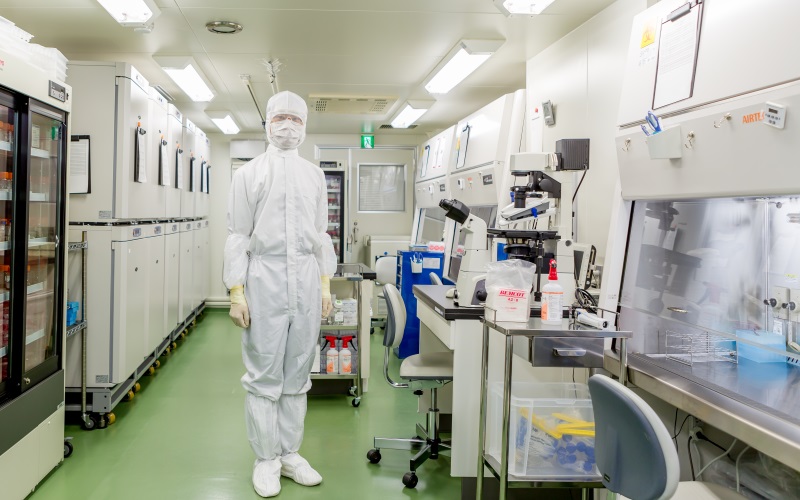
- Cell isolation & cultivation in a certified laboratory
- Targeted reinjection into aging skin
Why it works
- No immune rejection
- Gradual, natural rejuvenation
- Long-term collagen and elastin production
Treatment Areas
Under-eye • Eye corners • Forehead & brow • Cheeks • Nasolabial folds • Mouth area • Neck • Hands

Skin Bank Service: Preserving Youthful Cells
Long-term cryopreservation of skin tissue and fibroblasts at −196°C, allowing future regenerative treatments using younger biological cells.
Storage Options
- Skin tissue storage
- Dermal fibroblast storage
- Post-treatment fibroblast storage
Why store skin cells early?
- Skin cells age with the body
- Younger cells have higher regenerative potential
- Enables maintenance treatments every 1.5–2 years
- Supports long-term anti-aging planning
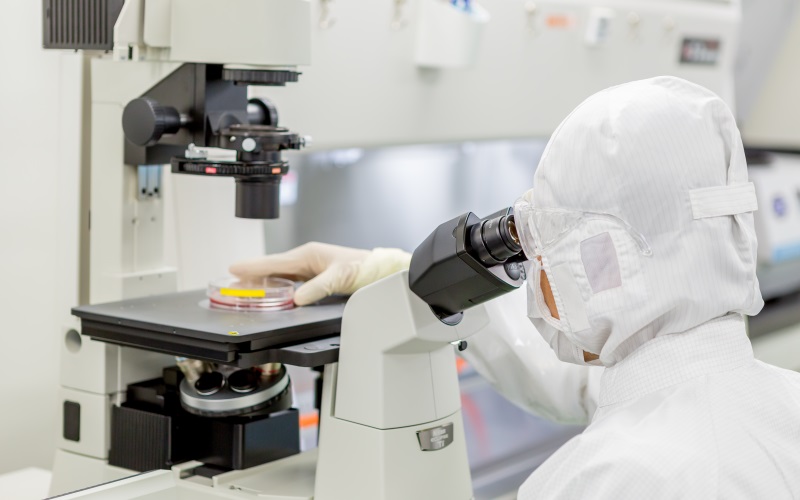
Laboratory Environment
Why Saisei Mirai
- ✓ Focus on root biological aging mechanisms
- ✓ Clinically evaluated telomere & Klotho biomarkers
- ✓ Personalized, safety-first medical protocols
- ✓ Integration of longevity × immune × aesthetics
- ✓ −196°C cryopreservation & long-term planning
A Future-Oriented Vision of Aging
Aging is not something to passively accept. By preserving youthful cells, supporting telomere health, and restoring natural regenerative mechanisms, we help patients slow biological aging and enhance long-term vitality from the inside out.
Our mission is not only to improve appearance, but to support a longer, healthier, more vibrant life.
Request an Appointment
Send a message and our team will get back to you.
Clinic
Saisei Mirai