
Viral Infections & Chronic Fatigue Syndrome
Physician-led evaluation and individualized planning for recovery support and immune resilience.
Viral infections can affect the respiratory tract, gastrointestinal tract, skin, and other organs. Many people recover uneventfully, while others experience prolonged symptoms such as fatigue, decreased stamina, recurrent flare-ups, or slow recovery.
At Saisei Mirai, our goal is to provide a physician-led assessment and an individualized plan that may include immune-supportive strategies. We do not position our program as a replacement for urgent care, antivirals, hospitalization, or specialist infectious disease management when those are indicated.

Who may benefit from a consultation
Patients commonly reach out when they are experiencing:
- Repeated viral infections or unusually frequent illness
- Prolonged recovery after an infection
- Post-viral symptoms such as fatigue, reduced daily functioning, or relapse patterns
- A need for structured monitoring and a personalized immune-supportive plan
- A desire to coordinate supportive care alongside their primary physician’s standard treatment

Our clinical perspective
Viral infections challenge the immune system through multiple layers of defense, including:
- Innate immune responses (early defense)
- Mucosal immune responses (important for respiratory and gastrointestinal pathways)
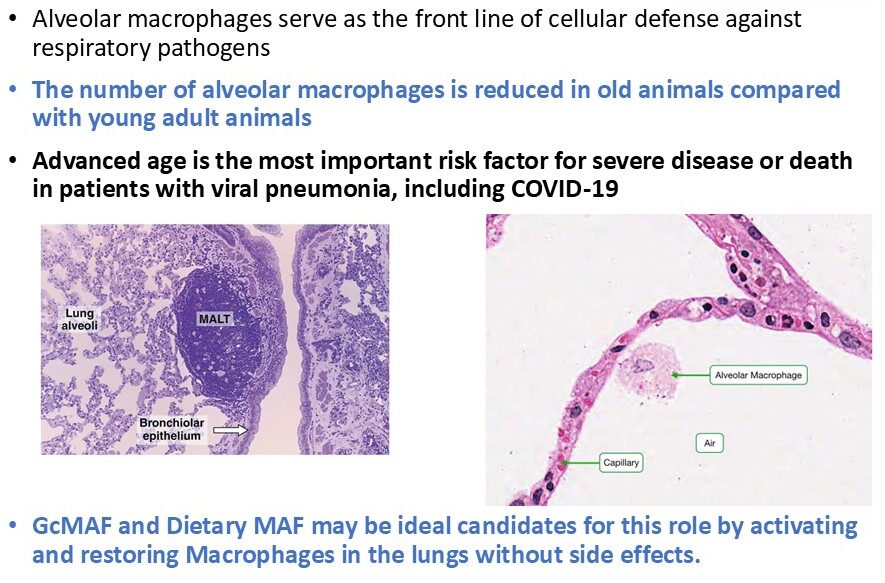
- The role of immune cells such as monocytes/macrophages, which contribute to pathogen clearance and immune regulation
Our approach focuses on medical evaluation and careful selection of supportive options, with close follow-up.
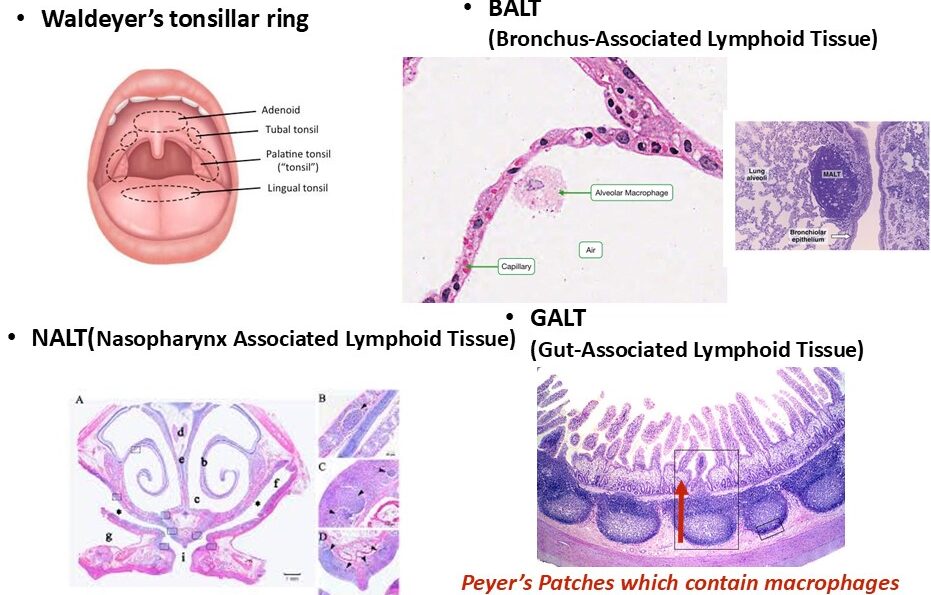
This figure shows the prime cellular targets for Covid-19. As you can see, the Covid-19 infection sites are where the MALT, mucosa-associated lymphoid tissue exists and works as our first line of defense against all pathogens.
Case report: 71-year-old female with chronic fatigue syndrome (CFS) for 40 years
Patient’s comments after 1 year on Oral MAF therapy
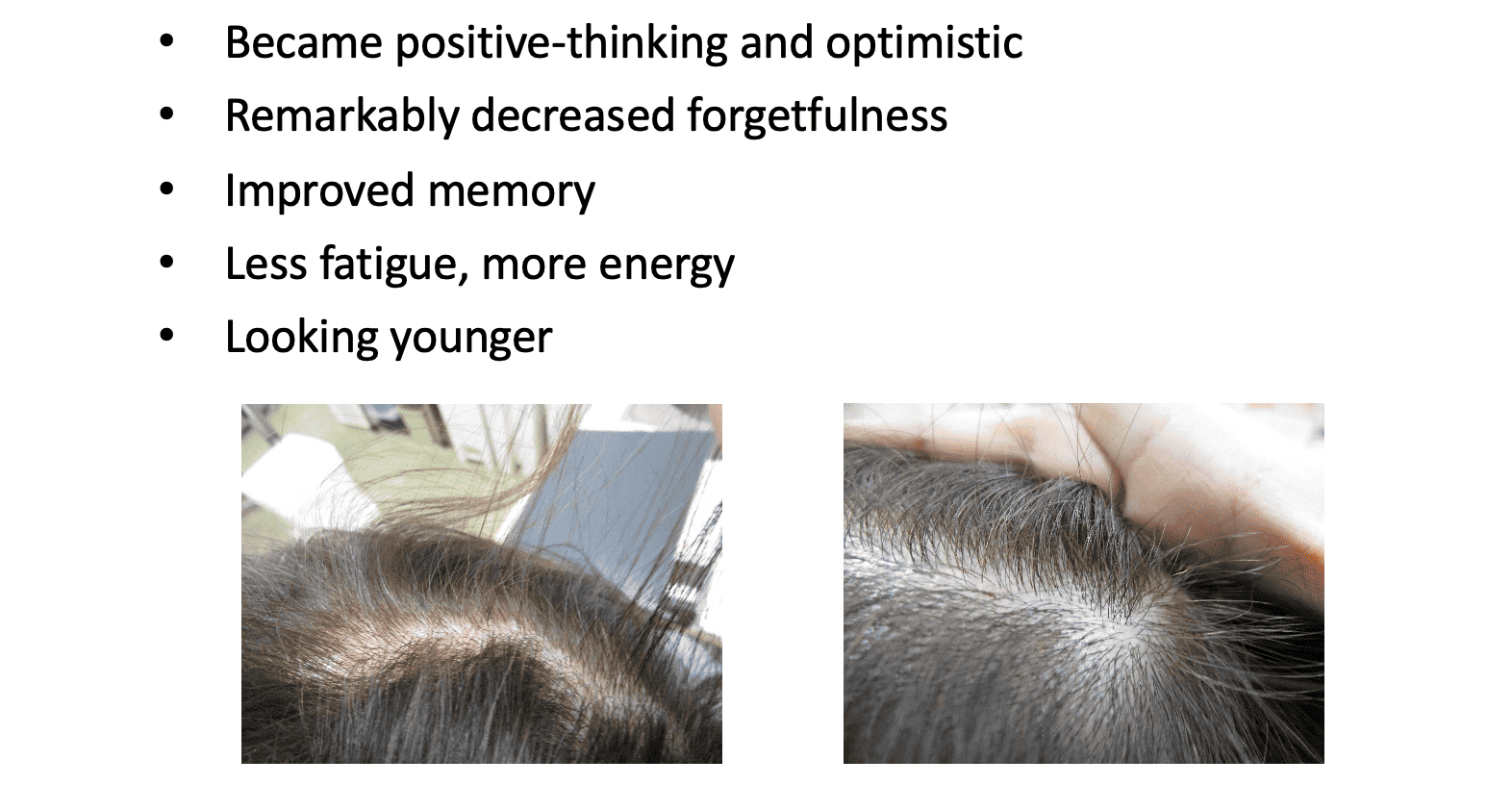
Patient commented that her hair was regrowing back to how it was 20 years ago
What to expect at Saisei Mirai
1) Medical consultation and history review
We begin with a structured review of your:
- current symptoms and timeline
- prior infections and recurrence pattern
- medications, supplements, allergies, and relevant medical history
- prior laboratory/imaging results (if available)
2) Clarifying the clinical pattern
We determine whether the current situation is more consistent with:
- an acute viral illness,
- recurrent/reactivation-type patterns, or
- post-viral symptoms (including fatigue and reduced resilience)

3) Individualized plan and monitoring
If supportive immunotherapy is considered appropriate, we discuss:
- intended goals and what can realistically be tracked
- evidence level (clinical trial vs. case report vs. preclinical)
- risk/benefit considerations and alternatives
- follow-up schedule and monitoring approach
Treatment approaches we may discuss
All therapies are considered case-by-case, based on physician assessment, patient safety, and local availability/regulatory status.
Physician-guided immunotherapy approaches (MAF / GcMAF framework)
In our clinical framework, macrophage-activating approaches are discussed as one component of an immune-support plan. If used, therapy is physician-supervised and integrated with monitoring and supportive care.
Oral / dietary immune-support options
Some patients may be considered for oral approaches intended to support immune function and mucosal immune balance, depending on the individual’s condition and tolerance.
Supportive infusion options
When appropriate, supportive infusion strategies may be discussed as part of an overall plan (for example, for patients seeking structured recovery support). The plan is tailored to the individual’s medical profile.
How we structure supportive care
- Assessment: history review and pattern clarification
- Plan: individualized options based on safety and availability
- Follow-up: structured monitoring and adjustments over time
What can be tracked
- symptom severity and recovery timeline
- daily functioning and stamina trends
- recurrence or relapse patterns
- relevant laboratory markers (when clinically appropriate)
Evidence and Publications
We believe it’s important to be transparent about the level of evidence behind any approach.
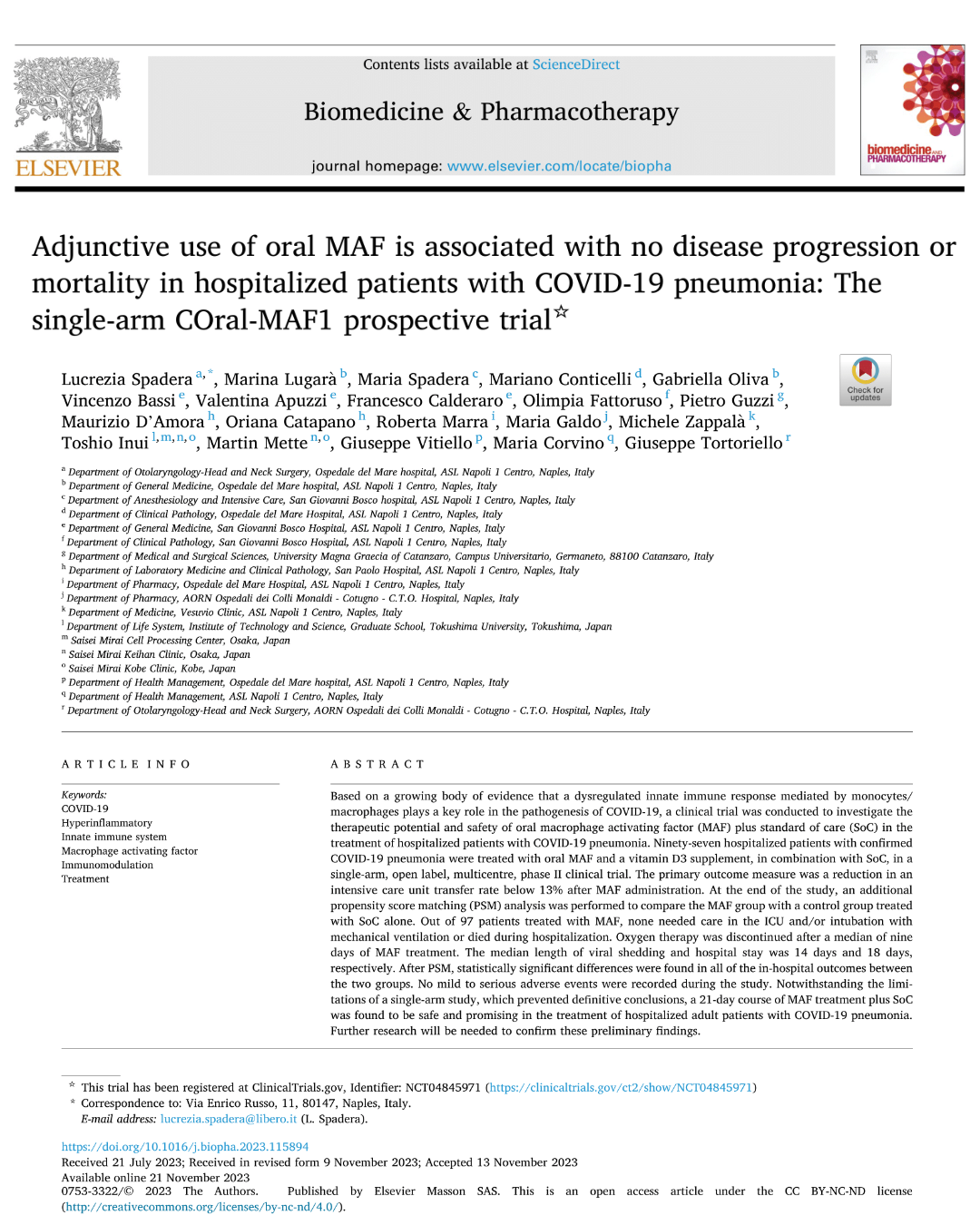
- A randomized clinical trial in hospitalized adults with non critical COVID 19 evaluated degalactosylated bovine glycoprotein formulations (MAF capsules / M capsules) alongside standard of care, reporting outcomes including recovery time and immune marker trends.
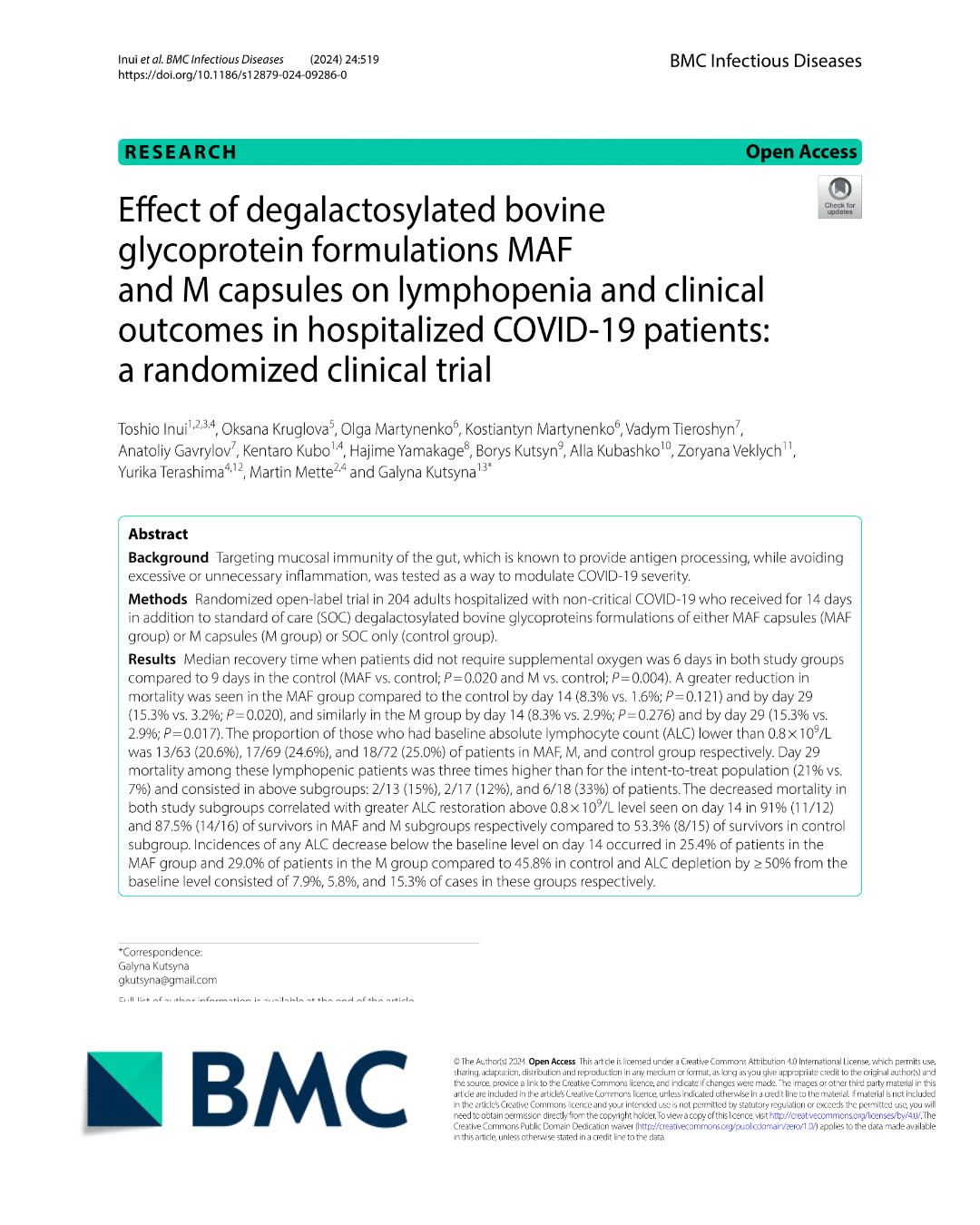
- A single arm prospective trial evaluated oral MAF plus standard of care in hospitalized COVID 19 pneumonia patients; results were reported with clear limitations of single arm design and the need for further research.
- Case reports have described the use of oral colostrum MAF in the context of serious infection and chronic fatigue syndrome symptoms, which are observational and not definitive proof of efficacy.
- Preclinical and mechanistic work has examined macrophage phagocytic activity related to degalactosylated/desialylated bovine colostrum.
Case report: Chronic Fatigue Syndrome
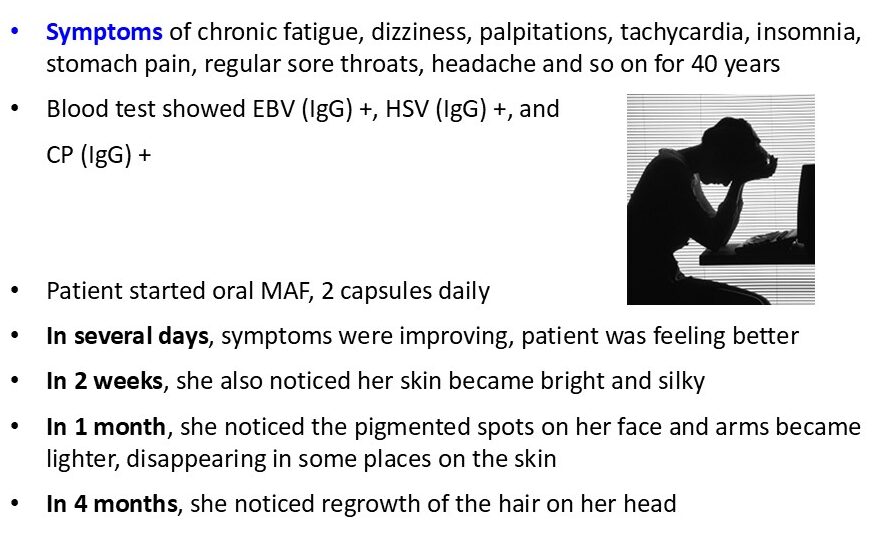
This is a case report of a 71-year-old female with chronic fatigue syndrome (CFS) for 40 years.
The symptoms were chronic fatigue, dizziness, palpitations, tachycardia, insomnia, stomach pain, regular sore throats, headache and so on for 40 years
(Blood test showed EBV, HSV and C. pneumoniae were positive.)
The patient started taking oral MAF, 2 capsules daily.
In several days, her symptoms were improving, and the patient was feeling better
In 2 weeks, she also noticed her skin became bright and silky
In 1 month, she noticed the pigmented spots on her face and arms became lighter, disappearing in some places on the skin
In 4 month, she noticed regrowth of the hair on her head
Case report: 71-year-old female with chronic fatigue syndrome (CFS) for 40 years
GcMAF and Infection – Supporting Figures
MALT: Mucosa-Associated Lymphoid Tissue
Our first line of defense against infectious diseases
Alveolar macrophages as the guardians of the lungs
References
- Inui T, Kruglova O, Martynenko O, et al. Effect of degalactosylated bovine glycoprotein formulations MAF and M capsules on lymphopenia and clinical outcomes in hospitalized COVID 19 patients: a randomized clinical trial. BMC Infectious Diseases. 2024;24(1):519. doi: 10.1186/s12879-024-09286-0.
- Spadera L, Lugarà M, Spadera M, et al. Adjunctive use of oral MAF is associated with no disease progression or mortality in hospitalized patients with COVID 19 pneumonia: The single arm COral MAF1 prospective trial. Biomedicine & Pharmacotherapy. 2023;169:115894. doi: 10.1016/j.biopha.2023.115894.
- Inui T, Kubo K, Kuchiike D, Uto Y, Nishikata T, Sakamoto N, Mette M. Oral Colostrum Macrophage activating Factor for Serious Infection and Chronic Fatigue Syndrome: Three Case Reports. Anticancer Research. 2015;35(8):4545–4549. PMID: 26168499.
- Uto Y, Kawai T, Sasaki T, et al. Degalactosylated/Desialylated Bovine Colostrum Induces Macrophage Phagocytic Activity Independently of Inflammatory Cytokine Production. Anticancer Research. 2015;35(8):4487–4492. PMID: 26168491.
Request an Appointment
Send a message and our team will get back to you.
Clinic
Saisei Mirai